
Ophthalmology vs Optometry: Eye Care Specialists 101
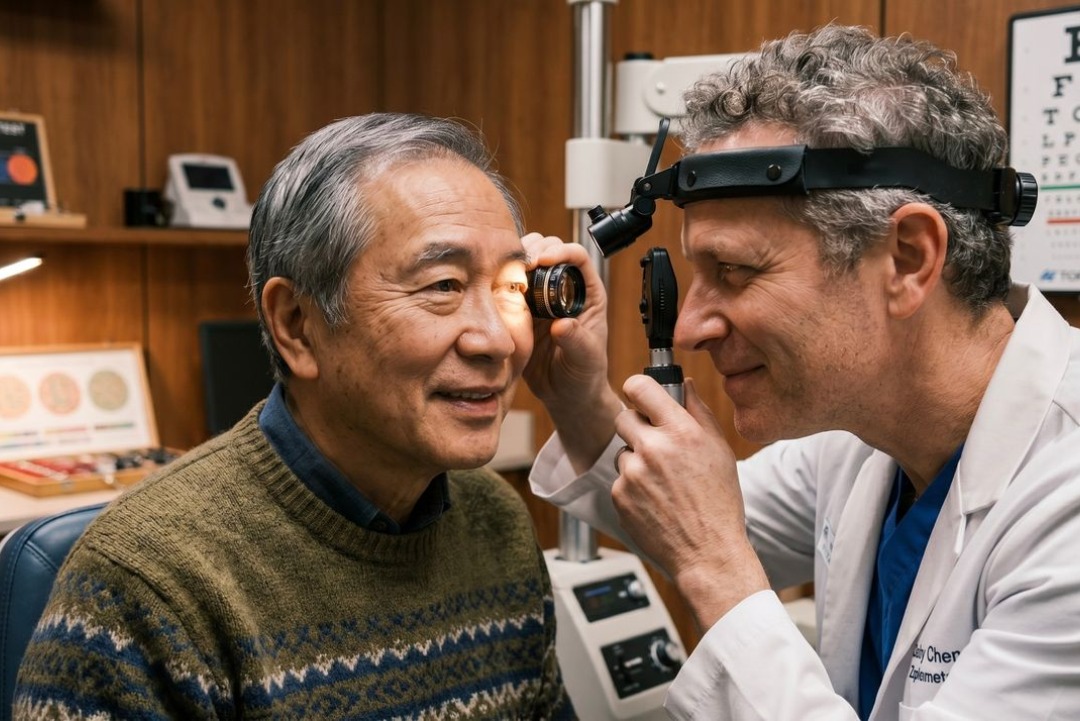
When it comes to eye care, many people aren’t sure whether they should see an optometrist, ophthalmologist, or optician. While these professionals often work together, each plays a unique role in protecting and improving your vision. Understanding the differences can help you find the right care when you need it most.
If you’ve ever searched online for an eye doctor and found yourself confused by all the different titles of eye specialists, you’re not alone. Many patients use terms like optometrist, ophthalmologist, and optician interchangeably, even though each profession has a different level of training and a different role in eye care.
Understanding ophthalmology vs optometry can make it easier to know where to turn for routine eye exams, vision correction, eye disease management, and surgical care.
At Li & Liao Optometry, we believe informed patients make confident decisions about their eye health. Let’s take a closer look at the professionals who work together to keep your eyes healthy.
What Is an Optometrist?
For most people, an optometrist serves as their primary eye care provider.
Optometrists earn a Doctor of Optometry (OD) degree after completing undergraduate education and four years of professional optometric training. Their education focuses on vision care, eye health, disease detection, and the diagnosis and management of many eye conditions.
An optometrist can:
- Perform comprehensive eye exams
- Prescribe glasses and contact lenses
- Diagnose eye diseases and vision problems
- Manage conditions such as glaucoma, dry eye disease, and diabetic eye disease
- Monitor cataracts and other age-related eye conditions
- Provide emergency care for many eye injuries and infections
- Refer patients for surgical treatment when needed
Many patients visit their optometrist annually, even when they have no noticeable vision problems. Regular eye exams allow eye diseases to be detected early, often before symptoms develop.
What Is an Ophthalmologist?
An ophthalmologist is a medical doctor who specializes in eye care and eye surgery.
After completing medical school, ophthalmologists undergo additional years of residency training focused specifically on medical and surgical treatment of eye diseases.
Because they are physicians, ophthalmologists can perform surgical procedures and treat complex medical conditions affecting the eyes.
An ophthalmologist may:
- Perform cataract surgery
- Conduct LASIK and other refractive surgeries
- Treat advanced eye diseases
- Manage serious eye injuries
- Perform retinal procedures
- Provide specialized surgical care
When comparing ophthalmology vs optometry, one of the biggest differences is surgical training. Ophthalmologists perform surgery, while optometrists focus on comprehensive eye care, disease management, vision correction, and ongoing monitoring.
Many patients receive care from both professionals at different points in their lives.
How Optometrists and Ophthalmologists Work Together
For example, a patient may visit their optometrist for a routine eye exam and learn they have cataracts. The optometrist monitors the condition and helps determine when surgery becomes appropriate. Once surgery is needed, the patient is referred to an ophthalmologist who performs the procedure.
After surgery, many patients return to their optometrist for follow-up care and ongoing vision management.
This collaborative approach allows patients to receive the right care from the right professional at each stage of treatment.
What Is an Optician?
The third professional patients commonly encounter is the optician.
Unlike optometrists and ophthalmologists, opticians do not diagnose eye diseases or perform eye exams. Instead, they specialize in fitting and dispensing eyewear.
Opticians help patients:
- Select frames
- Fit eyeglasses properly
- Adjust and repair glasses
- Interpret prescriptions
- Recommend lens options and coatings
- Ensure eyewear fits comfortably and functions correctly
Think of the optician as the bridge between your prescription and the finished eyewear you wear every day.
While opticians play an important role in helping patients see clearly, they do not provide medical eye care or vision examinations.
Why Annual Eye Exams Still Matter
Many eye diseases develop gradually and may not cause noticeable symptoms in their early stages. Comprehensive eye exams allow your optometrist to detect potential problems early and recommend treatment before vision is affected.
Routine exams also help keep your glasses or contact lens prescription current and ensure your eyes are functioning comfortably and efficiently.
Comprehensive Eye Care in Bakersfield
For routine eye exams, contact lenses, glasses prescriptions, eye disease management, and ongoing eye health monitoring, an optometrist is often your primary eye care provider.
At Li & Liao Optometry, we provide comprehensive eye care for patients throughout Bakersfield. Whether you’re due for an annual exam or have questions about your vision, our team is here to help.